Posted on Mar 9, 2026
Image Credit:
File ID 41880779 | © Aliced | Dreamstime.com
Share: 


We are a Highlands Ranch family dental practice offering top-notch dental care.

M-T 8-5; W-TH 7-4; F 7-12
Sat & Sun: Closed
9299 S Broadway, Suite 200
Highlands Ranch, CO 80129

Daily stress and lifestyle habits can have a significant impact on dental health. While many people associate oral problems with brushing or flossing habits alone, emotional stress, sleep patterns, and diet can also affect the condition of teeth and gums. Recognizing how these factors influence oral health can help patients take proactive steps to prevent damage and maintain healthier smiles.
Routine checkups with a dentist Centennial patients trust can help identify early signs of stress-related dental concerns before they develop into more serious conditions.
Stress affects the body in many ways, including the immune system and inflammatory responses. When the body is under prolonged stress, it may struggle to fight bacteria effectively, increasing the risk of infections such as gum disease.
According to the American Psychological Association, chronic stress can weaken the immune system and increase inflammation throughout the body. These effects may make it easier for oral bacteria to trigger gum inflammation and infection.
A skilled Centennial dentist can often detect early indicators of stress-related dental issues during routine exams and recommend strategies to protect teeth and gums.
One of the most common ways stress affects dental health is through teeth grinding, also known as bruxism. Many people grind or clench their teeth while sleeping or during periods of anxiety, often without realizing it.
Over time, this habit can lead to several dental problems, including:
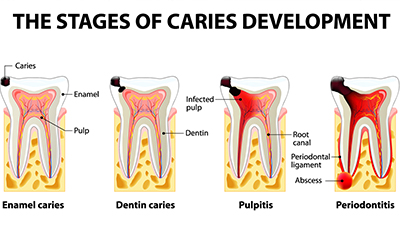
If teeth grinding becomes severe, it may damage the enamel and increase the risk of tooth decay. A dentist for family care can evaluate symptoms and recommend protective treatments such as custom nightguards to prevent long-term damage.
Certain daily habits can also influence dental health. Diet, tobacco use, and sleep patterns all play a role in maintaining healthy teeth and gums. When combined with stress, these habits may increase the likelihood of oral health problems.
Some lifestyle behaviors that may affect dental health include:
· Frequent consumption of sugary or acidic foods that contribute to tooth decay
· Tobacco use, which increases the risk of gum disease and oral infections
· Poor sleep habits that worsen nighttime teeth grinding
· Skipping routine dental cleaning appointments
Regular visits to a dentist, Centennial patients rely on, can help identify these risk factors early and provide guidance on improving oral care routines.
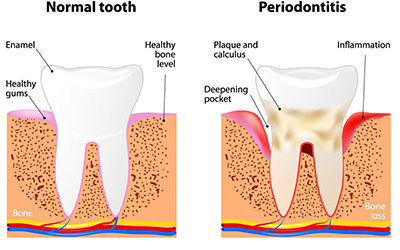
Stress can also affect gum health by increasing inflammation throughout the body. When gums become inflamed, they may appear swollen, bleed easily during brushing, or feel tender.
If left untreated, early gum inflammation can progress into more advanced stages of gum disease, which may eventually affect the bone supporting the teeth. According to the Centers for Disease Control and Prevention (CDC), nearly 47.2% of adults aged 30 and older have some form of periodontal disease (CDC, 2020).
A knowledgeable Centennial dentist can monitor gum health during routine visits and recommend preventive treatments to help manage inflammation and maintain healthy gums.
While stress cannot always be avoided, adopting healthy lifestyle habits can reduce its impact on dental health. Preventive care and consistent oral hygiene routines can help protect teeth and gums from stress-related damage.
Patients can support healthier smiles by following these steps:
· Brush teeth twice daily using fluoride toothpaste
· Floss daily to remove plaque between teeth
· Maintain regular dental cleaning visits
· Reduce sugary snacks and beverages
· Practice stress management techniques such as exercise or relaxation methods
Many families choose a dentist for family dental care to ensure every household member receives consistent preventive guidance and professional treatment.
Preventive dental care plays an important role in identifying lifestyle-related oral health concerns early. Regular exams allow dental professionals to evaluate signs of grinding, enamel wear, or gum inflammation before they worsen.
A trusted dentist Centennial patients depend on can also provide customized recommendations for managing stress-related habits that affect dental health. Through routine monitoring and professional care, patients can maintain healthier teeth and gums even during stressful periods.
Understanding how stress and lifestyle habits influence dental health empowers patients to make informed decisions about their daily routines. With proper oral hygiene, balanced habits, and support from a reliable dentist for family care, it is possible to protect teeth and gums while maintaining long-term oral health.
Sources:
Centers for Disease Control and Prevention (CDC). “Periodontal Disease.” https://www.cdc.gov/oralhealth/conditions/periodontal-disease.html
American Psychological Association. “Stress Effects on the Body.” https://www.apa.org/topics/stress/body






WELCOME
Welcome, where your family’s oral health and comfort are our top priorities. Our dedicated team provides compassionate, high-quality dental care for all ages in a welcoming environment. From routine check-ups to cosmetic enhancements, we’re here to help you achieve a healthy, beautiful smile.
Visit Us Today!
CONTACT INFO
SERVICES
HOURS
Cookie Preferences | Cookie Consent | Privacy Policy
Nothing contained on or offered by or through this website should be construed as medical advice and should not be relied upon for medical diagnosis or treatment. By accessing this website you understand and agree to communication by phone, voicemail, email or text.
