Posted on Mar 23, 2026
Image Credit:
File ID 56485935 | © Designua | Dreamstime.com
Share: 


We are a Highlands Ranch family dental practice offering top-notch dental care.

M-T 8-5; W-TH 7-4; F 7-12
Sat & Sun: Closed
9299 S Broadway, Suite 200
Highlands Ranch, CO 80129
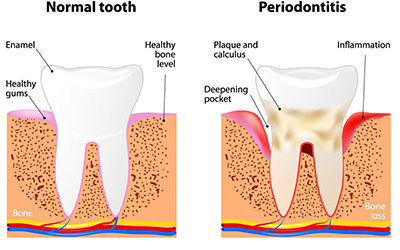
Gum disease is one of the most common oral health conditions affecting adults, yet many people do not recognize its earliest warning signs. When identified early, gum disease is typically reversible and manageable with proper dental care and improved oral hygiene habits. Understanding what causes gum disease and how to detect its early stages can help patients protect their smiles and overall health.
Regular visits to a dentist Centennial patients trust can play a key role in identifying early symptoms before they progress into more serious conditions.
Gum disease, also known as periodontal disease, is an infection of the tissues that support the teeth. It begins when plaque—a sticky film of bacteria—builds up along the gumline. If plaque is not removed through proper brushing, flossing, and routine dental cleaning, it can irritate the gums and lead to inflammation.
The earliest stage of gum disease is called gingivitis, which is the mildest and most treatable form of the condition. At this stage, the infection affects only the gums and has not yet damaged the bone or connective tissue supporting the teeth.
A qualified Centennial dentist can often detect gingivitis during routine exams, even before patients notice symptoms themselves.
Because gingivitis develops gradually, many patients overlook its symptoms or assume they are temporary. However, early detection is critical to preventing progression into more severe periodontal disease.
Some common warning signs include:
· Red, swollen, or tender gums
· Bleeding when brushing or flossing
· Persistent bad breath associated with gum disease symptoms
· Gums that appear shiny or slightly puffy
· Increased sensitivity along the gumline
These symptoms often appear mild at first, which is why many patients delay seeking care. A visit to a dentist for family care can help identify these signs early and prevent further complications.
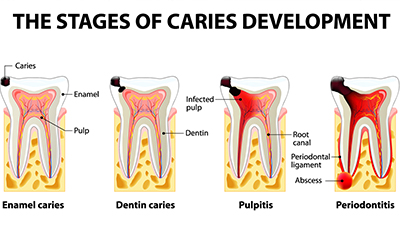
Gingivitis is highly treatable when addressed promptly. However, if left untreated, the infection can progress into more advanced periodontal disease, which may cause permanent damage to the gums and bone supporting the teeth.
According to the Centers for Disease Control and Prevention (CDC), nearly 47.2% of adults aged 30 years and older have some form of periodontal disease. This prevalence increases to over 70% among adults aged 65 and older (CDC, 2020).
Early treatment helps prevent complications such as:
· Gum recession
· Tooth mobility or tooth loss
· Chronic inflammation affecting overall oral health
· Increased risk of systemic health issues linked to gum infections
Routine checkups with a dentist Centennial residents rely on allow dental professionals to remove plaque and tartar buildup before they cause serious damage.
While poor oral hygiene is the most common cause of gingivitis, several additional factors may increase a person’s risk of developing gum disease.
These risk factors include:
· Smoking or tobacco use
· Hormonal changes during pregnancy or menopause
· Diabetes or other systemic health conditions
· Certain medications that affect saliva production
· Genetic predisposition to periodontal disease
A trusted Centennial dentist can evaluate these factors during exams and recommend personalized preventive strategies.
The good news is that gingivitis is often preventable with consistent oral hygiene and professional dental care. Developing strong daily habits and scheduling regular dental visits can significantly reduce the risk of gum disease.
Patients can help protect their gums by:
· Brushing twice daily using fluoride toothpaste
· Flossing at least once a day to remove plaque between teeth
· Scheduling routine dental cleaning appointments
· Avoiding tobacco products
· Maintaining a balanced diet that supports healthy gums
Many families choose a dentist for family dental care to ensure that both children and adults receive consistent preventive treatment and education about healthy oral habits.
Even minor gum irritation should not be ignored. Early symptoms like bleeding gums or persistent bad breath may indicate the beginning stages of gum disease. Prompt evaluation allows dental professionals to provide gingivitis treatment before the infection progresses.
Regular dental visits also allow professionals to monitor gum health, remove hardened plaque, and provide guidance on improving at-home care routines. A dentist Centennial patients trust can identify subtle changes in gum health and intervene early, helping patients maintain healthy smiles for years to come.
Understanding the early stages of gum disease empowers patients to take proactive steps toward protecting their oral health. With routine checkups, proper hygiene, and guidance from a reliable dentist for family dental care, gingivitis can often be reversed before it becomes a serious concern.
Sources:
Centers for Disease Control and Prevention (CDC). “Periodontal Disease.” https://www.cdc.gov/oralhealth/conditions/periodontal-disease.html







WELCOME
Welcome, where your family’s oral health and comfort are our top priorities. Our dedicated team provides compassionate, high-quality dental care for all ages in a welcoming environment. From routine check-ups to cosmetic enhancements, we’re here to help you achieve a healthy, beautiful smile.
Visit Us Today!
CONTACT INFO
SERVICES
HOURS
Cookie Preferences | Cookie Consent | Privacy Policy
Nothing contained on or offered by or through this website should be construed as medical advice and should not be relied upon for medical diagnosis or treatment. By accessing this website you understand and agree to communication by phone, voicemail, email or text.
